
REQUEST A CONSULTATION TODAY |
408-866-1810 |
| 1361 South Winchester Boulevard, Suite 113, San Jose, CA 95128 |
|

-

- Home
- Attorney
- About Us
- Practice Areas
- Taxation Law
- Foreign Investment & Tax Reporting
- Streamlined Compliance
- IRS Scams
- Property Tax for California
- Employment Tax Issues
- Small Business Tax Issues
- Tax Appeals
- Tax Audits
- Interest and Penalty Abatement
- Do I Need a Tax Attorney?
- What To Do If I Am Audited
- Worker Classification: Employee vs Independent Contractor
- Estate Issues, Taxation and the IRS
- Pass Through Entities
- Retirement Accounts and Tax Benefits
- Tax Cuts and Jobs Act (TCJA) of 2017
- Tax Issues and Divorce
- Business Formation
- Contracts & Agreements
- Real Estate Transactions
- Wills & Trusts
- Taxation Law
- FAQs
- Tax Law Glossary
- Testimonials
- Blog
- Contact
Potential Changes to the IRS’s Voluntary Disclosure Practice in 2026
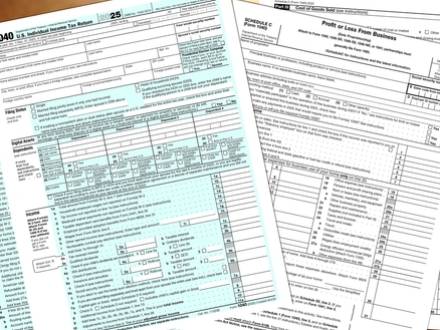 The penalties that taxpayers may face when they fail to file the correct information with the IRS or do not pay taxes as required can be significant. Failure-to-file and failure-to-pay penalties can add up to tens of thousands, hundreds of thousands, or even millions of dollars for some taxpayers. In cases where taxpayers are uncertain about their requirements or the consequences they may face, they may not know what steps they can take to address these issues and minimize their potential penalties.
The IRS’s Voluntary Disclosure Practice can often provide benefits for taxpayers in these situations. By coming forward, disclosing the proper information to the IRS, and taking steps to remedy any existing issues, taxpayers may be able to minimize the penalties that may apply while avoiding the possibility of criminal prosecution. As the IRS makes updates to its Voluntary Disclosure program, taxpayers can work with an attorney who has a strong understanding of the applicable tax laws to ensure that they take the correct steps to disclose information while minimizing their financial losses.
Understanding the Voluntary Disclosure Practice
The Criminal Investigation division of the IRS has a program that allows people who have willfully failed to comply with their tax obligations to resolve concerns related to non-compliance. Through the Voluntary Disclosure Practice (VDP), taxpayers can take steps to fully disclose the applicable information to the IRS, work with IRS personnel to determine the taxes that are owed, and reach agreements to pay taxes, penalties, and interest.
Voluntary disclosures must usually be made before the IRS begins a criminal or civil investigation of a taxpayer or before the IRS receives information regarding non-compliance from a third party or through a separate criminal investigation. By making a voluntary disclosure, a taxpayer may be able to avoid criminal prosecution for tax evasion or other tax-related offenses.
Proposed Changes to the VDP
The IRS recently released information related to changes that are being considered for the VDP in 2026. These changes are meant to streamline the procedures followed while providing taxpayers with incentives to disclose required information to the IRS and comply with their tax obligations. The changes that may be implemented include:
- Requirements for Taxpayers Who Are Approved for the VDP: After a taxpayer applies for the VDP and is conditionally approved, they will have 3 months to meet certain requirements. They will be required to file any delinquent tax returns or forms or file amended returns with the correct information. These include income tax returns, international information returns, and FBAR forms. All applicable taxes, penalties, and interest must be paid in full. These disclosure requirements will generally apply for delinquent and amended tax returns for the most recent 6 years (known as the Disclosure Period).
- Consistent Penalties: The IRS plans to use a penalty structure that will apply for all taxpayers who use the VDP. When taxpayers have delinquent returns, they will be required to pay failure-to-file penalties for each year in the Disclosure Period, but failure-to-pay penalties will not apply. For all amended tax returns a taxpayer files, a 20% accuracy penalty will be assessed. Penalties will be assessed for each year in which a taxpayer had a delinquent or amended FBAR. For international information returns that were delinquent or amended, penalties of up to $10,000 per return may apply per year.
- Application Requirements: Taxpayers will be able to apply for the VDP by filing Form 14457. On this form, they will disclose all years in which they failed to comply with their requirements, and they must provide a complete, accurate description of their willful non-compliance. After being precleared, a taxpayer must sign a closing agreement in which they will waive the applicable statutes of limitations, and they must agree to all accuracy-related penalties. If a case involves delinquent or amended FBARs, they must sign an FBAR agreement.
If a taxpayer does not comply with all terms of the VDP, they may be prevented from using the program. The IRS may rescind a conditional approval if a person fails to meet the applicable requirements within 3 months. A taxpayer may then be subject to a tax audit, which could result in civil or criminal penalties.
Contact Our San Jose Tax Attorney
Voluntarily disclosing information to the IRS may be the best approach to take for taxpayers who have delinquent returns or other issues related to willful non-compliance. During the Voluntary Disclosure process, it is important to submit the right information and take the correct steps to meet all of the IRS’s requirements. Legal representation can be essential during this process.
At John D. Teter Law Offices, our San Jose, CA tax lawyer can provide guidance on the steps to follow while also working with the IRS to minimize the penalties that may apply, as well as analyzing whether a taxpayer meets the alternative criteria for submissions using either the Streamlined Domestic Offshore Procedures (SDOP) or the Streamlined Foreign Offshore Procedures (SFOP). These programs have significantly fewer penalties, but they will require statements of nonwillfulness regarding the matter under penalties of perjury. Set up a consultation and learn about the options available in these cases by calling 408-866-1810.





Results listed are not a guarantee of future results.

Contact Our Firm
 The use of the Internet or this form for communication with the firm or any individual member of the firm does not establish an attorney-client relationship. Confidential or time-sensitive information should not be sent through this form.
I have read and understand the Disclaimer and Privacy Policy.