
REQUEST A CONSULTATION TODAY |
408-866-1810 |
| 1361 South Winchester Boulevard, Suite 113, San Jose, CA 95128 |
|

-

- Home
- Attorney
- About Us
- Practice Areas
- Taxation Law
- Foreign Investment & Tax Reporting
- Streamlined Compliance
- IRS Scams
- Property Tax for California
- Employment Tax Issues
- Small Business Tax Issues
- Tax Appeals
- Tax Audits
- Interest and Penalty Abatement
- Do I Need a Tax Attorney?
- What To Do If I Am Audited
- Worker Classification: Employee vs Independent Contractor
- Estate Issues, Taxation and the IRS
- Pass Through Entities
- Retirement Accounts and Tax Benefits
- Tax Cuts and Jobs Act (TCJA) of 2017
- Tax Issues and Divorce
- Business Formation
- Contracts & Agreements
- Real Estate Transactions
- Wills & Trusts
- Taxation Law
- FAQs
- Tax Law Glossary
- Testimonials
- Blog
- Contact
Do California Taxes Apply When a Business Stores Goods in the State?
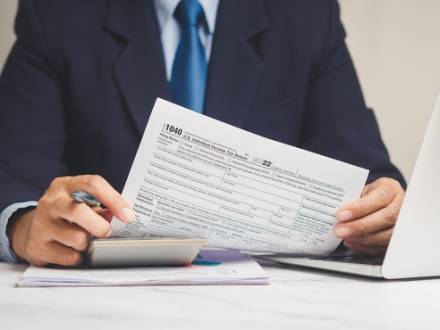 Businesses that operate in the United States may need to address a variety of overlapping tax laws. In addition to paying federal taxes, a business may be required to pay state taxes in each state where it does business. However, "doing business" is a concept that can often be vague, with tax authorities and businesses disagreeing about whether storing goods in a state or selling goods to people in a state qualifies. A recent legal decision provided some clarity for how these issues may be handled in California.
Unraveling the complexities of federal and state tax laws can be difficult, and legal help from an experienced tax attorney can be crucial for businesses that operate in multiple states. A skilled lawyer can provide guidance on the correct steps to take when filing tax returns and other forms, responding to queries from tax authorities, and working to mitigate potential penalties.
California Office of Tax Appeals Addresses Inventory Storage in the State
The California Office of Tax Appeals (OTA) recently issued a decision that may determine when a company is considered to be "doing business" in the state. In the case of Appeal of Fishbone Apparel, Inc., a company headquartered in Pennsylvania, was appealing an action by the Franchise Tax Board (FTB) requiring it to pay taxes and penalties for the 2019 tax year.
The company sold clothing online through Amazon, and it used a fulfillment program in which Amazon stored its inventory and shipped items to customers throughout the United States. In 2018, the California Department of Tax and Fee Administration (CDTFA) sent a letter to the company informing it that, because inventory was stored in warehouses located in California, the business met the definition of a retailer doing business in the state and was required to file sales and use tax returns and pay sales taxes on sales made to California residents. The company filed the proper return reporting taxable sales in California of $9,403, and it paid the appropriate sales taxes.
In 2022, the FTB sent the business a Demand for Tax Return, and in a Notice of Proposed Assessment (NPA), it required the business to pay the minimum franchise tax of $800 that applies to companies that do business in California, plus penalties and interest. The company protested the NPA and filed an appeal, stating that it was not a registered California business, was not located in the state, and did not do business in the state.
When reviewing the case, the OTA looked at how state laws define "doing business" in California. Revenue and Taxation Code (R&TC) section 23101(b) provides criteria that may be used when determining whether a taxpayer is doing business in the state. A taxpayer may be considered to be doing business if any of the following conditions are met:
- The taxpayer has been organized or "commercially domiciled" in California.
- The taxpayer’s sales in California for an applicable tax year are $500,000 or 25% of the taxpayer’s total sales, whichever is lower.
- The property the taxpayer holds in California, including tangible personal property or real estate, has a value of $50,000 or 25% of the total property owned by the taxpayer, whichever is less.
- The taxpayer has paid wages or compensation in California totaling $50,000 or 25% of the total compensation paid by the taxpayer, whichever is less.
In this case, the business fell well below the thresholds for sales in California and property held in the state. However, the FTB argued that it still met the definition of doing business in California because it had a physical presence in the state due to goods stored in Amazon’s warehouses, and sold products to customers in California. The OTA’s decision agreed with the FTB, and it ruled that the company was required to file a California income tax return and pay the minimum franchise tax.
Contact Our San Jose, CA Tax Attorney
Based on this ruling, businesses throughout the United States who use Amazon’s fulfillment services or who store goods in California warehouses may be required to pay state taxes, and they could face penalties if they fail to do so. Understanding which taxes may apply and how to address and mitigate penalties may be a complex matter. At John D. Teter Law Offices, our San Jose tax lawyer can provide guidance for businesses, helping to resolve tax issues that they may encounter. Contact us today by calling 408-866-1810 to set up a consultation.


Results listed are not a guarantee of future results.

Contact Our Firm
 The use of the Internet or this form for communication with the firm or any individual member of the firm does not establish an attorney-client relationship. Confidential or time-sensitive information should not be sent through this form.
I have read and understand the Disclaimer and Privacy Policy.