
REQUEST A CONSULTATION TODAY |
408-866-1810 |
| 1361 South Winchester Boulevard, Suite 113, San Jose, CA 95128 |
|

-

- Home
- Attorney
- About Us
- Practice Areas
- Taxation Law
- Foreign Investment & Tax Reporting
- Streamlined Compliance
- IRS Scams
- Property Tax for California
- Employment Tax Issues
- Small Business Tax Issues
- Tax Appeals
- Tax Audits
- Interest and Penalty Abatement
- Do I Need a Tax Attorney?
- What To Do If I Am Audited
- Worker Classification: Employee vs Independent Contractor
- Estate Issues, Taxation and the IRS
- Pass Through Entities
- Retirement Accounts and Tax Benefits
- Tax Cuts and Jobs Act (TCJA) of 2017
- Tax Issues and Divorce
- Business Formation
- Contracts & Agreements
- Real Estate Transactions
- Wills & Trusts
- Taxation Law
- FAQs
- Tax Law Glossary
- Testimonials
- Blog
- Contact
How Can Taxpayers Avoid Penalties for Failing to File Form 3520?
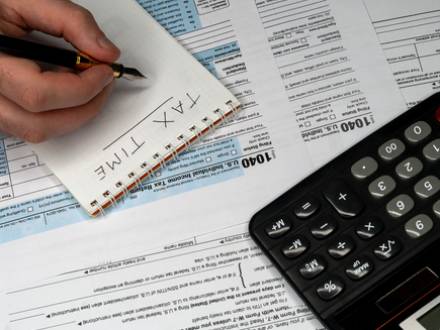 People in the United States who receive money or property from foreign sources may encounter complex tax issues. The requirements for reporting foreign income and investments are not always easy to understand. One issue that some taxpayers may encounter may be related to their requirement to file Form 3520 because they have engaged in transactions with foreign trusts or have received gifts or inheritances from foreign sources. The penalties for failing to file this form can be substantial, but there are certain defenses available, including demonstrating a reasonable cause for the failure to file.
When addressing legal concerns related to reporting foreign assets and transactions, taxpayers can benefit by consulting with an attorney who has a strong understanding of the tax laws that apply in these situations. A lawyer can help a person determine the best steps to take to mitigate potential penalties and meet legal requirements put in place by the IRS so that a person can minimize their financial losses and tax exposure.
Requirements for Filing Form 3520
The tax laws in the United States require "U.S. persons" to file Form 3520 if they have had any transactions with foreign trusts in a tax year or if they have received gifts or inheritances over a certain amount from foreign sources. U.S. persons include citizens of the United States, lawful permanent residents who hold Green Cards, and foreign persons who meet residency requirements.
Applicable transactions with foreign trusts may include any contributions to a trust or distributions that a person received. Gifts that are received from foreign individuals or inheritances received from foreign estates must be reported if they have an aggregate value of at least $100,000. If a person meets the reporting requirements for a tax year, they are required to file Form 3520 by April 15 of the following year. Because Form 3520 is an information return, it is filed separately from a person’s annual income tax return.
Form 3520 Penalties
A taxpayer may face penalties if they do not file Form 3520 by the deadline or if the information reported on Form 3520 is inaccurate. The specific penalties will depend on whether a person failed to report transactions with a foreign trust or whether they failed to report the receipt of foreign gifts or inheritances.
In cases involving trusts, the penalty may be either $10,000 or 35% of the amount involved in a transaction with a foreign trust, whichever amount is greater. For example, if a person received a distribution of $5 million from a foreign trust, the penalty may be as high as $1.75 million.
In cases involving inheritances or gifts received from foreign sources, a 5% penalty may be assessed for each month that Form 3520 is delinquent, up to a maximum of 25%, or 5 months. For example, if a person received an inheritance of $5 million from a foreign estate and was 2 months late filing Form 3520, a penalty of up to $500,000 may be assessed.
Relief From Penalties Due to Reasonable Cause
In the past, the IRS automatically assessed penalties for delinquent filing of Form 3520, and taxpayers who wanted to challenge these penalties were required to file protests with the IRS Independent Office of Appeals. However, starting in 2025, these penalties are not assessed automatically. The IRS will consider statements provided by taxpayers when filing Form 3520 that detail the reasons why a form is delinquent.
The statement provided by a taxpayer may show that they had reasonable cause for their late filing. That is, they will state that their failure to file Form 3520 was not willful and that they had a good reason for their delinquency. Potential reasons that may be offered may include a person’s reliance on a tax return preparer who did not inform them of their requirement to file Form 3520, ignorance of the applicable tax laws, or a serious illness or death in a person’s family.
Contact Our San Jose U.S. Tax Compliance Attorney
Taxpayers who learn about potential penalties because they failed to file Form 3520 may be concerned about how these situations may be handled, and they may be unsure about what steps they should take to meet their legal requirements and mitigate their financial losses. At John D. Teter Law Offices, our San Jose, CA tax lawyer can help a person show that they had a reasonable cause for their failure to file Form 3520 or determine what other defenses may be available. Contact our firm today and set up a consultation by calling 408-866-1810.




Results listed are not a guarantee of future results.

Contact Our Firm
 The use of the Internet or this form for communication with the firm or any individual member of the firm does not establish an attorney-client relationship. Confidential or time-sensitive information should not be sent through this form.
I have read and understand the Disclaimer and Privacy Policy.